

Electrical Safety Certificates For Rental Properties in St Albans
You must make sure that your electrical systems are safe if you own rental properties in St Albans. You should possess an electrical safety certificate that proves that your property complies with the laws applicable to it.
The new regulations for the Private Rented Sector (ESPS2020) oblige landlords to have their electrics inspected every five years. The cost of an EICR is different from house to house and is based on the size and age of your electrical system.
Electrical Installation Condition Report (EICR)
An official document called the Electrical Installation Condition Report (EICR) is a comprehensive inspection of the electrical system in the premises or building. It is used to ensure that electrical installations are safe and in good condition.
A good EICR can help protect your home by highlighting areas that require improvement. It will also identify any possible hazards that could result in injury or damage to your tenants as well as you. An EICR in St Albans is essential to ensure that the wiring within your home is safe to be utilized by other people.
st albans electrician can also be used to keep a record of the survey. This is beneficial in the event that you need to prove that the property was inspected. It will also provide information on when the survey was carried out and what areas were inspected.
The presence of an EICR in St Albans will give you peace of mind that the electrical systems that are in your property are safe for the people to use and aren't harming the environment. It will also alert you to any potential hazards, such as dangerous electric shocks or abnormally high temperatures in wiring and appliances.
EICRs can be useful for landlords in St Albans, who want to ensure that their homes are safe for tenants and will not be in legal trouble in the event of a problem. As of July 2020, it will be an obligation of law for all private landlords to have an EICR in place.
An experienced electrician will conduct an exhaustive inspection of your home's electrical systems and appliances. They will be aware of any obvious issues they observe, like broken sockets and extension cords that are damaged, as well as broken plugs. They will then compare them to the current safety standard, BS 7671, to determine whether they are in good condition.
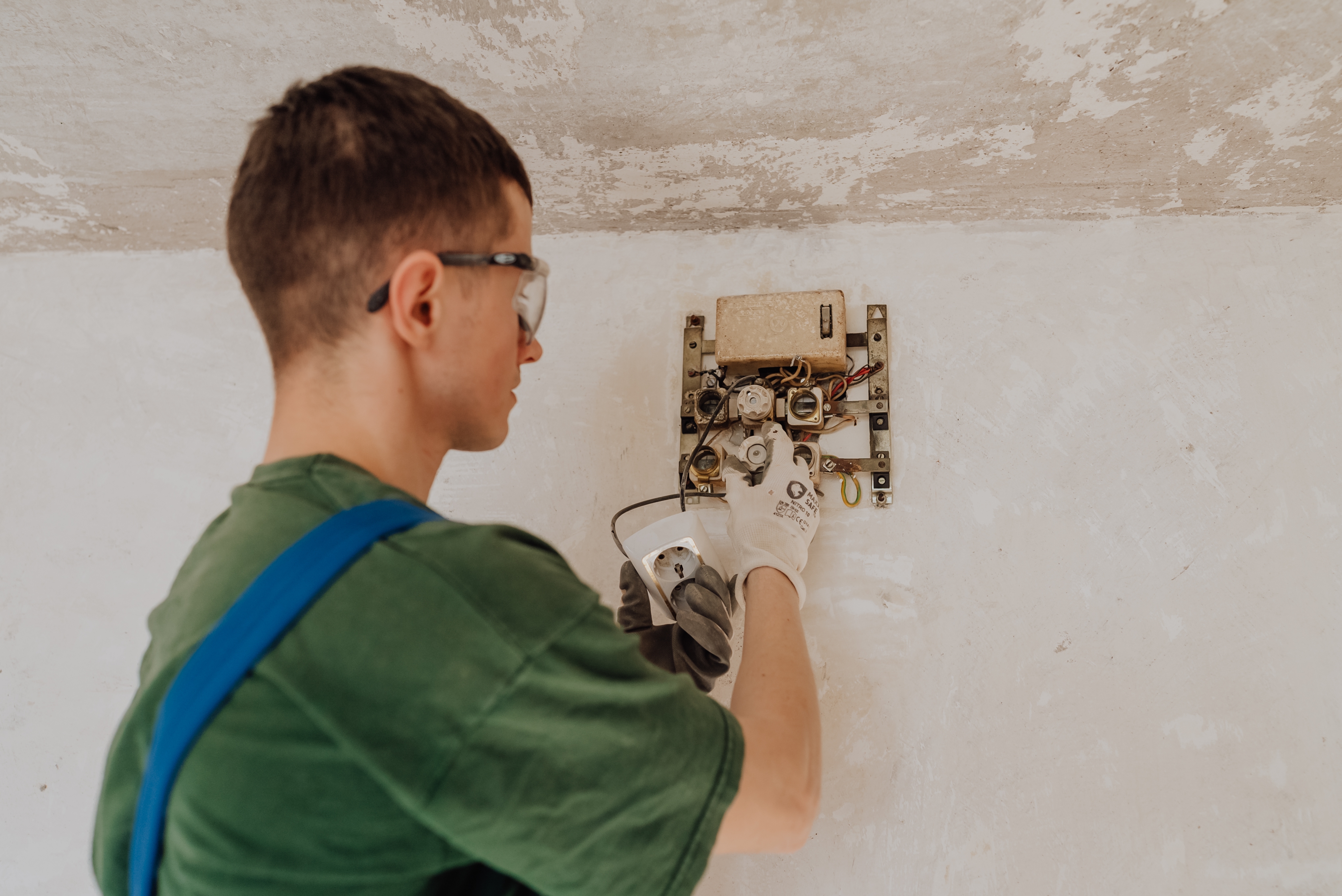
The price for an EICR differs based on the amount of work that needs to be completed and the size of the property. It is a good idea to shop around before hiring an EICR contractor.
Inspections by the Department of Fire
Regular inspections are carried out by the Department of Fire on all residential and commercial properties. These inspections are meant to check that the building's structure and appliances are safe for use. This can prevent fires from creating damage.
The Department of Fire employs licensed experts to conduct inspections. They can offer professional advice and suggestions about the best way to make your property safe and secure.
They can also tell you if your electrical system is in good condition and is in compliance with all legal requirements. Additionally, they will be able provide suggestions on how you can improve your home's efficient in energy use and save money.
As the landlord, it is your duty to ensure that the property you lease to tenants is as safe and secure as is possible. It is crucial to examine your electrical equipment regularly and have them checked by an electrician.
Apart from the fact that it will help you ensure the safety of your tenants in addition, it gives you peace of mind knowing your home is in good working order. It is important to remember that faulty electrical systems can lead to heavy fines and even jail.
The department also has a robust online education portal where you can find a wealth of helpful tips on how to protect your home from fires. These sources are available in English, Spanish, Chinese and Russian.
It is important to keep in mind that the cost of obtaining an EICR differs from house to home and will be contingent on the size and the age of the electrical components within it. For larger houses it could be necessary to run a longer test in order to ensure that the electrical systems are working correctly.
The Department of Fire also has many years of experience in the field of community risk assessment (CRA). It utilizes data to identify the real risks in your neighborhood and helps you to implement an action plan to increase your safety. This is done by identifying the most at-risk people, places and conditions, so that they are sufficiently protected from fires.
Electrical Safety Certificates (EICR).
An Electrical Safety Certificate (EICR) is an official document that proves the safety of an electrical installation. They are issued by qualified electricians, and can be useful to landlords, homeowners and business owners alike.
As a home owner or landlord, it is vital that your electrical systems are safe and comply with the latest regulations. These are set out in the 18th edition of the Wiring Regulations, known as the BS 7671.
An EICR from a professional is mandatory for any residential property. It ensures that your installation meets the required safety standards and will protect you from expensive repairs down the road.
All homes in the country must be tested for electrical safety and checked on a regular basis. This is to minimize the possibility of fires and electric shocks.
A fully qualified electrician will conduct these checks and conduct an inspection of your whole electrical system. They will examine your wiring lighting fittings, sockets, and consumer units. They will also inspect any equipment that is permanently connected such as showers or extractor fans.
Your electrician will then complete a seven-page report regarding the inspection. It will include the results of the inspection and any remedial work that is required and a final declaration regarding whether the installation is safe to use.
This is a comprehensive and professional service that can provide peace of mind for you and your family. It will also save you money over the long term.
Although an EICR could be costly, it is worth the investment to avoid costly repairs later. The cost will vary depending on a variety of factors which include the size of your home and the number of electrical appliances you have.
An EICR costs around PS125 for a one-bedroom rental property, but may cost more for a 5 bedroom home. This is because larger homes generally take longer to process and thus require more effort.
Inspections by a qualified electrician
Your home's safety is dependent on the electrical system. It protects your family, belongings, and yourself from power outages and fires. That's why it's so important to have regular inspections performed by a licensed electrician.
To ensure safety, inspectors employ an inspection checklist. During the inspection, they ensure that everything meets or exceeds the National Electrical Code's minimum safety requirements.
If anything doesn't meet the requirements, it's considered to "fail." This could result in a fine or a certificate of compliance.
An electrician will examine your home's wiring and other electrical systems, to be sure that they're in compliance with the National Electrical Code (NEC). They'll also make sure that all outlets are grounded.
To keep up with developments in safety In order to stay up-to-date with safety developments, the NEC is updated three times a year. These guidelines are not met and can cause an electric fire or short circuit.
Wires: The wiring that is in your home should be of top quality and installed with the correct method. An expert electrician can evaluate the quality of your wires and determine whether they need to be replaced or repaired.
They will check the length of the wires to make sure they're in compliance with the requirements for sheathing and gauge. They'll also look at the condition and location of your electrical boxes. They'll ensure that your electrical boxes are large enough to handle the volume of wires and devices that you have, as well as securely secured to the exterior of your house.
Examining your wires is one of the largest aspects of your electrical inspection, therefore you should anticipate it to take a considerable amount of time. The inspector will look for wires that have been exposed to water or that are fraying, rusting, or other problems.
Aluminum wiring isn't recommended for older homes. It is susceptible to rust and does not easily integrate with other wires or installations.
Other areas of your home that may need to be examined include your electrical outlets, service panels, and electrical meters. The electrical inspector will make sure that all of these items are up to date and have proper labels. They will also verify that all carbon monoxide detectors and smoke alarms are properly placed.